

In the dynamic world of digital advertising, ensuring precise performance measurement amidst evolving browser policies and privacy regulations is essential. While Meta’s Conversions API (CAPI) is a powerful tool, it’s not the only option for server-side tracking. This article explores alternative solutions, emphasizing their unique benefits, potential challenges, and how to choose the best fit for various business needs.
Why consider server-side tracking alternatives to CAPI?
With increasing cookie restrictions and a shift towards first-party data, server-side tracking has become more prominent. By reducing reliance on client-side scripts, server-to-server tracking can overcome ad-blocking issues and ensure consistent event delivery.
Although Meta’s CAPI is well-integrated within its ecosystem, some businesses seek alternatives due to implementation complexity, concerns over vendor lock-in, or the need for a unified server-side layer that supports multiple advertising platforms and analytics tools.
Server-side alternatives often offer enhanced flexibility in data processing and transformation, allowing businesses to enrich, deduplicate, or anonymize data in compliance with privacy regulations like GDPR and CCPA. This control helps maintain data quality and trust across various systems.
Adopting a server-side tracking solution that supports multiple endpoints can streamline infrastructure and reduce maintenance overhead by centralizing event orchestration. This enhances scalability and fosters better integration between marketing and analytics teams, as data can be more easily accessed and shared within the organization’s broader technology stack.
Categories of CAPI alternatives
Server-side tracking alternatives can be categorized into self-hosted server-side tracking, cloud-based server-side platforms, and tag management platforms with server-side components. Each offers a different balance of control, cost, and maintenance effort.
The choice of category depends on technical resources, privacy requirements, and cross-platform compatibility needs. The following sections evaluate representative solutions and the scenarios where each excels.
Self-hosted server-side tracking
Self-hosted solutions involve setting up and maintaining a server that receives events from websites or apps, enriches them, and forwards them to advertising platforms, analytics, and data warehouses. This model provides maximum control over data processing, transformation, and storage.
Advantages of self-hosting
Self-hosting offers full control over data collection logic and retention policies. It enables on-premises storage if regulatory requirements demand it and allows customization for complex attribution or user identity stitching across systems.
Drawbacks and considerations
The main trade-offs are operational complexity and development cost. Maintaining servers, ensuring scalability, implementing security best practices, and keeping pace with API changes from partners like Meta requires engineering effort and ongoing monitoring.
Typical tech stack
Common stacks include lightweight HTTP endpoints built with Node.js, Python, Go, or Ruby, connected to a job queue, data validation layer, and integrations that forward events to ad platforms via their server APIs. Data warehouses such as BigQuery or Snowflake are often part of the pipeline for long-term storage and analysis.
Cloud-based server-side platforms
For teams that prefer to avoid managing infrastructure, cloud-based server-side platforms offer managed endpoints, scaling, and built-in integrations. These services generally accept events, perform transformations, and forward them to multiple destinations including Meta.
Key benefits
Managed platforms reduce operational burden and accelerate implementation. They often provide business-friendly interfaces, mapping tools, and pre-built connectors for popular ad networks, analytics systems, and CRMs.
Potential downsides
These solutions can introduce recurring costs and may limit customization compared to full self-hosting. Data residency and privacy constraints must be reviewed—some providers offer regional hosting to address this, but not all do.
When to choose a cloud-based platform
Cloud platforms are ideal for mid-market and enterprise teams that require reliable, scalable tracking quickly, but lack the engineering resources or prefer to shift operational responsibilities to a vendor. They also help teams that need multi-destination event routing without building many separate adapters.
Server-side tag management platforms (SSTMs)
Server-side tag management platforms extend traditional tag managers with a server container that handles event collection and forwarding. This hybrid model retains some familiar tag manager workflows while reducing client-side script exposure.
How SSTMs function
Client-side tags send data to a server container under the organization’s control. That container executes server-side tags, transforms payloads, and forwards events to destinations like Meta, Google Ads, and analytics tools. It can also manage consent and filtering.
Pros and cons
SSTMs strike a balance between ease of use and control. They simplify tracking governance and can improve performance and resiliency. However, they still require configuration and sometimes custom server-side code for complex integrations.
Ideal use cases
SSTMs are suitable for marketing teams that already use tag management extensively and want to reduce client-side leakage while keeping a familiar interface for rule-based event routing. They are also helpful where partial migration—keeping some client-side tags while moving sensitive events server-side—is desired.
Alternatives that mimic CAPI without using it
Some solutions aim to replicate the benefits of CAPI—direct server-to-Meta event delivery—without relying on Meta’s specific API. These approaches either centralize event processing and then federate to multiple advertising APIs or use platforms that abstract away platform-specific implementations.
Unified event processing layers
Unified layers capture events in a normalized schema, enrich them with first-party identifiers, and then forward subsets of the data to different ad platforms. This ensures consistent event logic and reduces discrepancies between reporting systems.
These systems often provide built-in privacy controls, consent handling, and hashing routines required by various advertising APIs, making it easier to comply with platform requirements without implementing each integration separately.
Pros of an abstraction layer
Abstracted layers minimize duplicate effort: one transformation pipeline supports many destinations. They improve data hygiene by centralizing deduplication, timestamp normalization, and user identity resolution. For organizations running campaigns across multiple ecosystems, this can substantially improve reporting accuracy.
Cons of relying on abstraction
Relying on a third-party abstraction may obscure platform-specific features or cause lag when new features are released by ad platforms. Close attention to how mapping and transformation logic is implemented is necessary, particularly when debugging discrepancies with platform-native reporting.
Privacy and compliance considerations
Server-side tracking shifts some responsibility for compliance from the browser to the server. That raises questions about consent capture, data minimization, retention, and cross-border transfers.
Consent and transparency
Consent mechanisms must be synchronized with server-side processing. That typically means storing consent state in a way the server can access (e.g., via a secure cookie or an API call) and applying consent checks before events are forwarded to ad platforms.
Data minimization and hashing
Only the data necessary for the event should be sent. When personal data must be transmitted, use one-way hashing for identifiers where supported. Many ad platforms accept hashed emails and phone numbers for matching; ensure hashing algorithms meet platform requirements and are applied server-side to avoid exposing raw PII.
Cross-border and residency rules
Depending on business location and customer base, data transfers may trigger legal requirements. Some server-side vendors offer regional hosting or on-premises options to address data residency needs. Assess contractual terms, subprocessors, and security certifications when selecting a provider.
Performance and reliability trade-offs
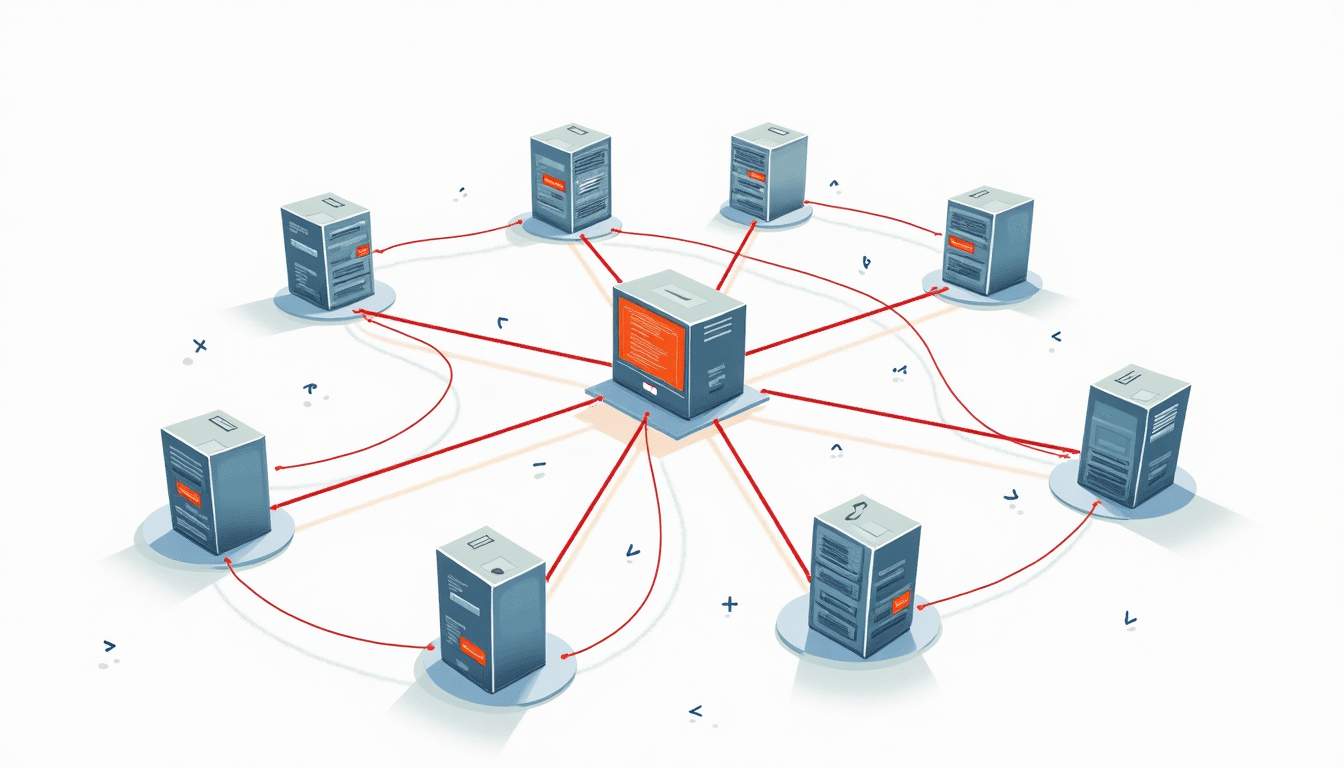
Server-side tracking can improve event delivery rates over client-side pixels, but it also introduces new points of failure. Redundancy, retry logic, and clear monitoring are essential.
Handling latency and retries
Implementing a retry queue for failed event deliveries prevents transient errors from causing data loss. Batching requests where supported reduces API rate limiting issues and can be more cost-effective on platforms that charge per request or per bandwidth.
Monitoring and observability
Visibility into event throughput, error rates, and downstream acceptance is crucial. Set up alerts for spikes in HTTP 4xx/5xx responses from partner APIs, and surface discrepancies between client-side analytics and server-side counts to detect processing bugs quickly.
Attribution and deduplication
When using both client-side pixels and server-side events, deduplication is necessary to prevent double counting. Many ad platforms provide deduplication parameters; implementing consistent event IDs and timestamps helps platforms reconcile duplicate signals.
Best practices for deduplication
Assign a persistent event ID per user action, ensure timestamps are in a consistent timezone and format, and include a reliable mechanism for matching server events to client events. Sending an “event_source” parameter can also help the platform understand the origin of each signal.
Choosing the right alternative
Selection depends on priorities: control and customization favor self-hosting; speed to market and low maintenance favor cloud platforms; and a balance of governance and ease-of-use favors server-side tag managers.
Checklist for evaluating options
Consider the following: engineering resources and willingness to maintain infrastructure; required integrations and destinations; privacy and residency constraints; monitoring and error handling needs; and total cost of ownership including vendor fees and development time.
Implementation roadmap
Transitioning to a server-side solution can be done incrementally. Start by identifying high-value events, instrumenting a server endpoint for those events, and validating delivery to a single ad platform. Gradually expand to additional events and destinations, and implement consent and privacy safeguards along the way.
Testing and validation
Validate event payloads against destination API schemas and use test modes where available. Compare server-side metrics to client-side baselines to identify gaps, and iterate until parity or expected improvements are achieved.
Conclusion: balancing accuracy, privacy, and effort
Server-side tracking alternatives to Meta’s CAPI range from fully self-hosted solutions to managed, multi-destination platforms. Each option requires trade-offs among control, cost, and complexity. The best choice aligns with organizational capacity, privacy obligations, and measurement goals.

Investing in a robust server-side strategy pays off with more reliable data, better resilience to browser changes, and enhanced privacy controls. Whether selecting a self-managed pipeline, a cloud provider, or a server-side tag manager, prioritizing consent, observability, and deduplication will deliver the most accurate and defensible advertising measurement.
Streamline Your Server-Side Tracking with Metrion
Ready to simplify your conversion tracking and seamlessly synchronize data across your digital advertising channels? Metrion — your all-in-one platform for managing server-side tracking across channels. With Metrion, you can seamlessly connect user data from your domains (like websites or online stores) to destinations such as Google Ads, Meta Ads, and more. Our platform gives you full control over how your data is collected, synced, and monitored — all within a structured workspace system. Each workspace lets you manage installations, connect multiple domains, set up destinations, and define custom syncs that control how data flows between sources and channels. Beyond tracking, Metrion also handles billing and invoicing, offers user management for team collaboration, and provides detailed reporting on your synced data, so you always know what’s happening behind the scenes. Try for Free and experience a smarter approach to server-side tracking today.


